
Why Do People Choose AI character chat Over Traditional Chat Apps?
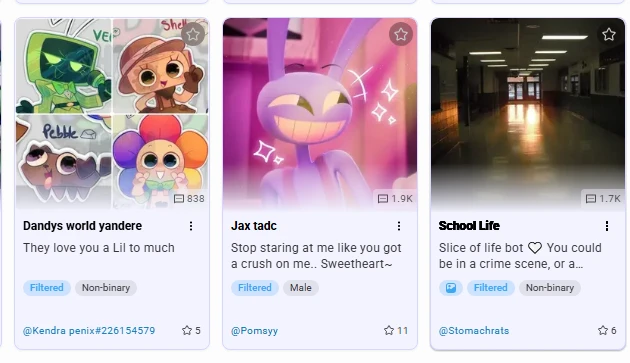
AI character chat is becoming a preferred alternative to traditional chat apps because it offers instant availability, personalized personalities, and continuous interaction. Unlike ordinary messaging platforms that depend on another person’s response, AI characters provide conversations that adapt to user preferences. In 2025, the global chatbot market reached about $9.6 billion and is expected to continue expanding rapidly, while platforms such as Character.AI have attracted tens of millions of users. Users choose AI characters not only for entertainment but also for storytelling, language practice, emotional expression, and customized conversations. The main attraction comes from the ability to create a digital partner that matches personal interests, communication style, and available time.
Traditional chat applications were built around human connections. Apps such as WhatsApp, Messenger, and Telegram help people exchange messages, share files, and maintain existing relationships. Their functions are effective, but the conversation experience depends on another person’s schedule, attention, and willingness to reply.
AI character chat introduces a different interaction model. Instead of waiting for a friend or online contact, users can open an application and immediately start a conversation with a character designed around a specific personality. A user can select a fictional hero, a virtual friend, a role-playing character, or a customized assistant with a preferred tone.
“The conversation does not begin when another person becomes available. It begins whenever the user wants.”
This difference explains why AI character platforms have gained strong engagement. Character.AI, one of the most recognized AI personality platforms, reportedly reached around 45 million active users in 2025, showing the growing interest in character-based conversations. The interaction pattern is different from traditional messaging because users are not only exchanging information but also building a repeated conversational experience.
The demand for continuous interaction naturally leads to another reason users move toward AI characters: personalization.
Traditional chat apps usually allow limited customization. Users can change profile pictures, usernames, or themes, but they cannot change the personality of the person they are talking with. AI character platforms work differently because the personality itself becomes adjustable.
Users can choose characters with different speaking styles, backgrounds, and interests. A person interested in creative writing may use an AI character to develop fictional scenes. Someone learning a language may practice conversations with a virtual native speaker. Another user may prefer a calm conversational style for daily discussions.
A 2025 study analyzing AI companion usage examined 1,131 users and 4,363 chat sessions containing more than 400,000 messages, showing that AI companion interactions often involve repeated conversations, self-expression, and personalized communication patterns.
Personalization changes AI chat from a general communication tool into an interaction space shaped by individual preferences.
This personalized experience also affects how users perceive emotional interaction. Traditional messaging requires social relationships to already exist, while AI character chat allows users to start conversations without previous connections.
Many users appreciate the lower social pressure. When talking with another person, they may consider response timing, social expectations, or whether their topic is interesting enough. AI characters remove many of these concerns because users can ask questions, repeat topics, or explore unusual ideas without worrying about another person’s reaction.
“Users often choose AI characters because the interaction feels available, predictable, and easier to control.”
Research in human-computer interaction has shown that people often respond socially to systems that communicate through natural language. Modern large language models can maintain conversation history, adjust tone, and generate responses that appear more personalized than earlier chatbot systems.
This ability has expanded AI character chat beyond simple entertainment. Many users now use these platforms for creativity, learning, and personal projects.
Creative applications represent one of the fastest-growing areas. Traditional chat apps mainly transfer information between people, while AI characters can actively participate in content creation.
Writers use AI characters to test dialogue and develop storylines. Game creators use them to design interactive personalities. Students use them for brainstorming and language exercises. Role-playing communities use AI characters to create long conversations inside fictional worlds.
For example, a user can create a detective character and develop a mystery story through hundreds of messages. Another user can practice job interviews with an AI interviewer that adjusts questions according to previous answers.
The difference comes from participation. A traditional messaging app provides a communication channel, while AI character chat can become a creative partner.
The popularity of AI character chat is also connected with changes in online behavior. Younger users increasingly spend time in digital environments where entertainment, social interaction, and learning overlap. Data from AI companion platforms shows that younger adults represent a large share of engagement, with users aged 18–35 accounting for more than 70% of activity across several major AI companion services.
This user group has grown up with personalized digital services. They already expect recommendation systems, customized feeds, and adaptive applications. AI character chat follows the same pattern by offering conversations adjusted to individual interests.
Another factor is privacy and personal comfort. Traditional messaging apps are connected to real identities, contacts, and social networks. Every message may influence an existing relationship. AI character conversations usually create a separate environment where users can discuss ideas or feelings with fewer social concerns.
This does not mean AI replaces human relationships. Instead, many users treat AI conversations as an additional digital experience. The appeal comes from accessibility and flexibility rather than replacing friends or family.
However, AI character chat also creates new questions about responsible use. Some users may spend excessive time interacting with virtual characters, especially when AI conversations become a major source of emotional support. A study based on Character.AI users found that companionship-focused chatbot use was associated with differences in well-being depending on interaction intensity, personal circumstances, and available human support.
Developers are therefore focusing on safer designs, clearer user controls, and better transparency. Platforms need to balance personalization with responsible interaction models.
The commercial growth of this field shows why companies continue investing in AI character experiences. The AI companion market has expanded quickly, with hundreds of consumer AI companion applications appearing worldwide. Features such as voice conversation, memory systems, avatar generation, and personality customization are making these platforms more interactive.
Some users also explore specialized AI conversation services, including platforms designed for adult-oriented fictional interactions such as https://crushon.ai/ai-sex-chat, where character customization and role-based conversations are emphasized.
The future of chat technology will likely include both traditional messaging and AI character interaction. Human chat apps remain important because real relationships provide experiences that AI systems cannot fully reproduce. At the same time, AI character chat offers a different type of digital interaction built around availability, customization, and creative participation.
People choose AI character chat over traditional chat apps because the experience is not limited to sending messages. It combines conversation, entertainment, creativity, and personalization in a single environment. As AI models continue improving, digital conversations will become more adaptive and more closely connected with individual user preferences.